
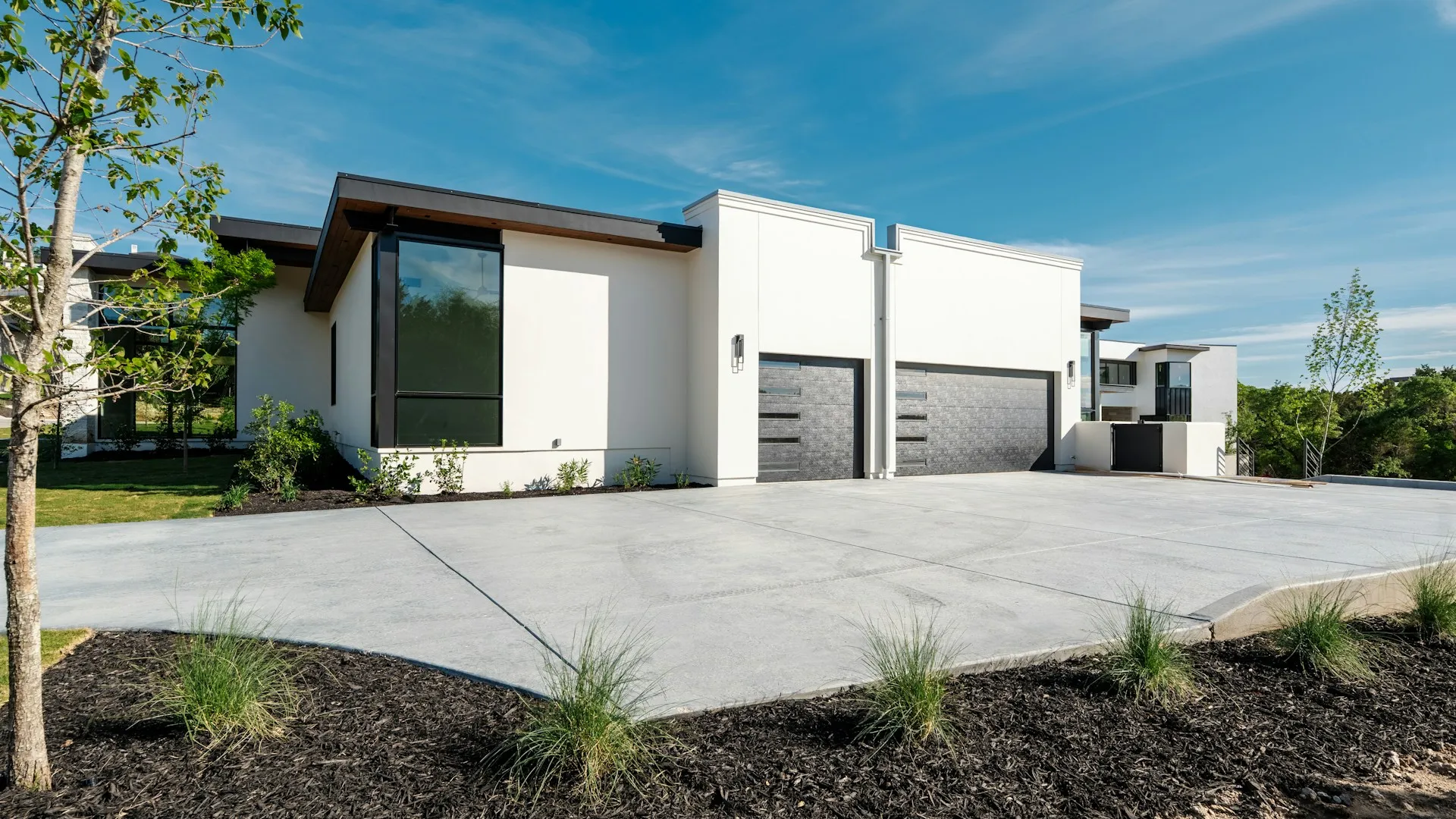
Concrete Poured Right for Fillmore Ground and Heat
Driveways, Slabs & Foundations · Licensed & Insured · Lic. #1027281
Concrete work in Fillmore ranges wider than in most towns its size: cracked 1940s driveways near downtown, root-heaved walkways under mature street trees, new patios behind subdivision homes, and serious flatwork, shop slabs, equipment pads, barn floors, on the agricultural properties at the edges. Master Construction pours all of it as a licensed general contractor (Lic. #1027281) based in Ventura, serving the Heritage Valley. The county-wide practice lives on our concrete page.
Valley Conditions Change How Concrete Gets Poured
Heat is the first variable. A summer pour on the valley floor can hit surface temperatures that flash the moisture out of concrete before it cures, which is how a new driveway ends up weak and dusty on top. In hot months we pour early, adjust the mix, and keep slabs wet-cured instead of trusting the weather. Curing is where cheap concrete jobs die, and it is invisible on the invoice, which is why corners get cut there first.
The ground is the second. River-valley soils vary block to block, from well-drained sandy loam to pockets that expand and shrink with the seasons. We compact and prepare the base for the soil that is actually there, and on questionable ground we thicken edges and add steel rather than hoping. Rebar or wire, chair-supported, goes in every structural pour we do; fiber alone is not a substitute where vehicles roll.
The third is trees. Fillmore's older streets earned their shade, and roots have lifted half the original sidewalks and walkways under it. We reroute, bridge or root-prune with care, because a new walk that kills a sixty-year-old tree is a bad trade.
Water gets designed for as deliberately as weight. Valley rain arrives in bursts, and flatwork has to move it away from foundations and garage doors rather than toward them, which means honest slopes, gutter aprons where downspouts land, and drainage cut into hardscape that would otherwise pond. A driveway that sheets water at the house saves nobody money for long.
From Front Walks to Working Slabs
Residential flatwork is the daily bread: driveways sized for real trucks, patios that drain away from the house, walkways, steps and garage slabs. Finishes run from clean broom texture to stamped and colored work where owners want it, though we will say plainly that in full valley sun, lighter finishes stay far more comfortable underfoot than dark stamped surfaces in August.
Foundation work is where the general contractor license earns its place. Older homes near the center of town sit on shallow perimeter footings and piers from another era, and settling shows up as sloping floors and doors that will not latch. We repair, underpin and retrofit those foundations, and pour new ones for new construction and room additions, engineered and inspected.
Fillmore's working properties bring pours that need planning more than polish: shop slabs thick enough for lifts and loaded racks, equipment pads, aprons where trucks turn, and floors for outbuildings being replaced. We ask what will actually sit and roll on the slab, then design thickness, steel and joints from those numbers.
Done Once, Documented and Built to Be Walked On for Decades
Concrete is unforgiving of shortcuts because every one of them is permanent by lunchtime. Our pours follow a written sequence, subgrade compaction, base, steel placement, mix verification, finish, cure, and you are welcome to see each step before it disappears under the next. Joint layout is drawn, not improvised, so the inevitable cracking happens where the joints invite it.
Neighbors judge concrete crews by their edges and their cleanup. Forms come off clean, washout is contained and hauled, and the site is raked out when the trucks leave. Half our Fillmore work comes from someone who watched us pour next door, which is the review system this town actually runs on.
Property managers and HOA boards bring us the recurring flatwork of multi-unit life: trip-hazard grinding and panel replacement before someone falls, common walkway repairs, dumpster pads and gutter aprons. That work gets documented per location with photos, which boards need at budget time and managers need when the insurance carrier asks.
Structural pours, foundations, and most new slabs tied to buildings need permits through the City of Fillmore, whose plan check and inspections run through a contracted outside firm. We handle the drawings, the submittal and the inspector scheduling as part of the job.
Concrete Services in Fillmore
- Driveways, walkways & patios
- Stamped & colored finishes
- Foundation repair & underpinning
- New foundations for additions & homes
- Shop, barn & equipment slabs
- Garage & outbuilding floors
- Root-damage repair & sidewalk replacement
- Retaining walls & footings
- Trip-hazard grinding for HOAs
- Demolition & haul-off of old concrete
FAQ
Fillmore Concrete - FAQ
When is the best season to pour in Fillmore?
Concrete pours year-round here, but summer demands early starts, adjusted mixes and disciplined wet curing, while winter needs an eye on rain and cold nights. The crew's process matters more than the month on the calendar.
Why did my last driveway crack so fast?
Almost always base preparation or curing, sometimes both. Concrete placed on loose fill or left to bake uncured will crack no matter the finish. Control joints then decide whether cracks run straight and hidden or wander across the middle.
Do you handle root-heaved sidewalks and walkways?
Constantly, under Fillmore's mature street trees. Options include rerouting the walk, bridging the root zone, or careful root pruning with replacement panels. We pick the approach that saves the tree where saving it is possible.
Can you fix a settling foundation on an older house?
Yes. Sloping floors and sticking doors in Fillmore's older housing usually trace to shallow or deteriorated footings. We assess, bring in engineering where required, and underpin or replace sections, permitted and inspected.
How thick should a shop slab be?
Thick enough for what will actually roll on it, which is a number, not a guess. A car garage differs from a tractor bay or a lift installation. Tell us the equipment and we design thickness, steel and joints from the loads.
How long before we can use the new concrete?
Foot traffic in one to two days, vehicles at about a week, full design strength near twenty-eight days. Summer heat does not shorten those honestly; it just tempts people to. We put usable dates in the schedule so there is no guessing.
Do you handle flatwork for HOAs and commercial properties?
Yes, on a program basis: annual walk-through of the walkways, prioritized trip-hazard list, phased repairs that keep paths open, and per-panel documentation for the board packet or the manager's file. One bid can cover a year of small pours.
Related Services
Concrete pairs with hardscaping in Fillmore, demolition and haul-off, and foundations for custom homes. The full local lineup is on the Fillmore page.
Inquiries
Have a Concrete Project in Fillmore?
Call (805) 667-8800 and we will look at the ground before we quote the slab.