
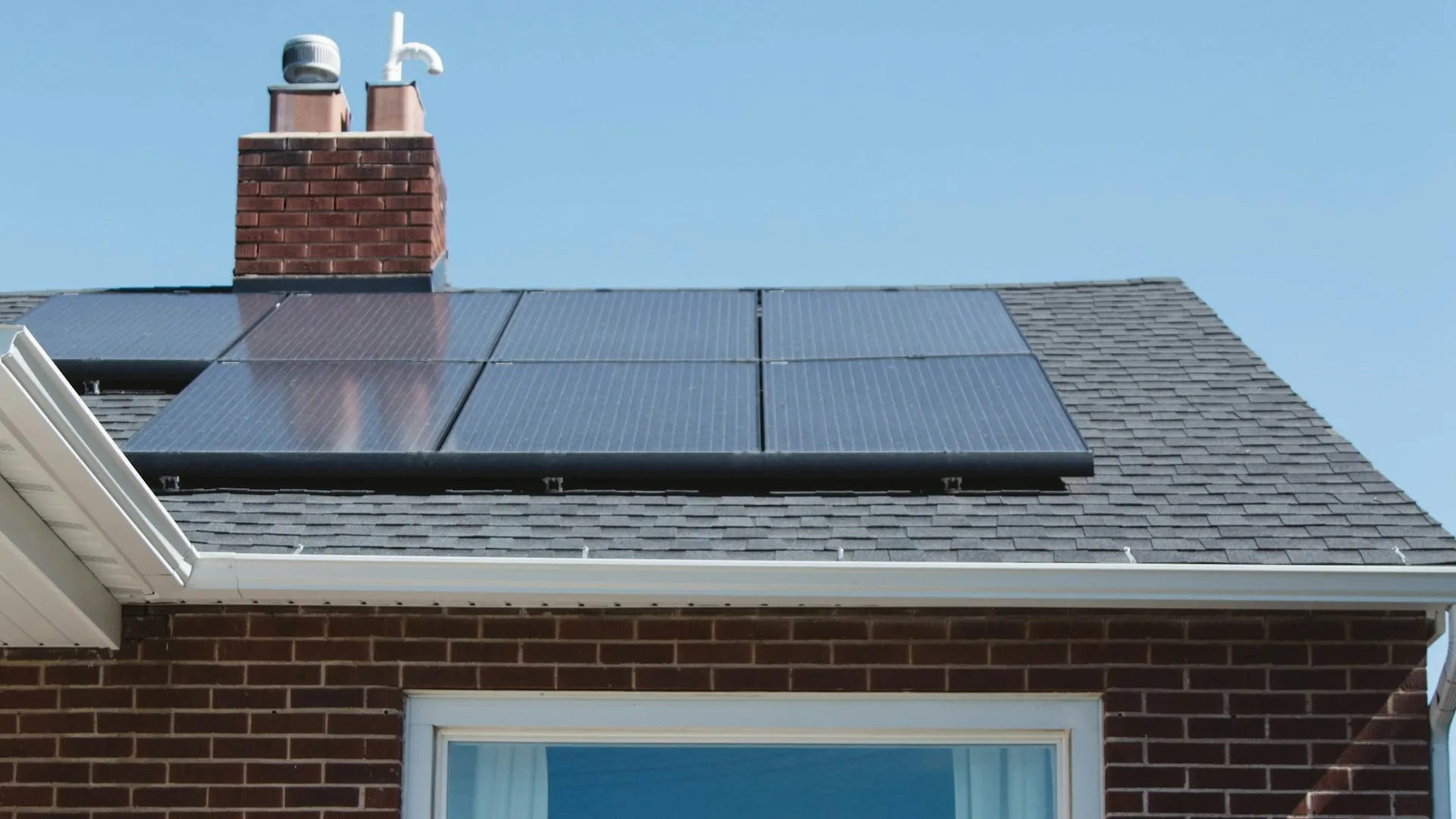
Solar That Starts With the Roof Under It
Arrays, Batteries & Panel Upgrades · Licensed & Insured · Lic. #1027281
The valley sun that runs up Fillmore cooling bills every summer is the same resource that pays a solar array back, and inland roofs here harvest more of it than the fog-belt coast ever will. The catch is that solar is a roofing and electrical project wearing an energy costume, and that is where a general contractor beats a sales office. Master Construction (Lic. #1027281), based in Ventura, installs solar across the county with its own roofing and electrical crews behind every array.
Why Solar Pencils Well on Fillmore Houses
Air conditioning is the bill that hurts here. A Fillmore summer runs weeks of 90-plus afternoons, the AC carries them, and the electric bill peaks exactly when solar production does. That alignment, heavy summer daytime load against heavy summer daytime generation, is the best case for rooftop solar economics, and inland valley homes live in it.
Under current utility rate rules, exported power earns far less than power you use as it is made, which moves the math toward batteries. Stored afternoon production runs the evening AC hours at full value, and it keeps the refrigerator and lights alive through the wind-season outages this end of the county knows well. We model your usage against real rates, with and without storage, and show both numbers before you sign anything.
Shade is rarely the obstacle in the newer tracts, but the mature trees of Fillmore's older streets deserve honest analysis. A production estimate that ignores your neighbor's sixty-foot tree is fiction; ours comes from an actual site assessment, panel by panel.
Heat itself takes a small toll worth naming: panel output derates as rooftop temperatures climb, which is precisely when a valley roof is hottest. Good design accounts for it with realistic production modeling, mounting that lets air move under the modules, and inverters placed on shaded walls or in garages rather than baking on a south face. These are small engineering choices that separate systems that meet their projections from systems that explain them away.
Panel washing matters more here than on the coast, too. Valley dust and harvest-season grit shave real output over a season, and a twice-yearly rinse keeps the array earning what the model said it would.
The Roof, the Panel and the Parts Sales Crews Skip
The roof comes first, every time. Panels last twenty-five years; the shingles under them might not, and removing an array to reroof costs thousands that proper sequencing avoids. Because we roof for a living, every solar quote includes a roof assessment, and when a reroof belongs first we price both as one coordinated project with mounts flashed into fresh underlayment.
The electrical panel comes second. Many older Fillmore homes carry services with no headroom for a solar backfeed, and some tract panels are models that should be replaced regardless. Our electricians handle the main panel upgrade, the interconnection wiring and the battery circuits under the same license, so nothing gets subcontracted into the void between two companies.
Then the array itself: quality modules and inverters we are willing to warranty-service, mounted with proper flashing at every penetration, wire management that survives wind and heat, and monitoring you can read from your phone. Fillmore's agricultural properties add ground-mount and shop-roof options, and well pumps make a natural load to offset.
Straight Numbers, Real Warranties and Local Accountability
Solar has a salesman problem: financing structures that hide cost, production promises nobody rechecks, and installers who vanish before the first warranty claim. Our model is a contractor's: a cash or financed price stated plainly, production modeled conservatively, and a company based thirty minutes away that has been in business since 1994 and intends to answer the phone in year fifteen.
Incentives change often enough that we quote them at current values rather than reciting last year's. The federal credit, utility programs and battery incentives get applied to your actual quote in writing, and we do not inflate a system size to inflate a commission, because nobody here works on one.
Rental owners and property managers use solar to hold operating costs down on multi-unit buildings, and HOA boards ask for it on clubhouses and common meters. Both get the same engineering-first process, plus the documentation, certificates and board packets their approval processes require.
Every system is permitted through the City of Fillmore and inspected under its contracted plan-check arrangement, then interconnected with the utility, and we run that entire sequence, application to permission-to-operate.
Solar Services in Fillmore
- Rooftop solar design & installation
- Battery storage systems
- Roof assessment with every quote
- Reroof plus solar packages
- Main panel upgrades for solar
- Ground mounts & shop-roof arrays
- Well pump & ag load offset
- EV charger integration
- Monitoring setup & support
- Multi-unit & HOA solar projects
FAQ
Fillmore Solar - FAQ
Is solar worth it in Fillmore?
For most homes with meaningful AC use, yes, and more so than on the coast, because your biggest bills coincide with peak production. The honest answer for your house comes from your own usage history, which we model before quoting a single panel.
Do I need a battery?
Need, no; benefit, usually. Current rate rules pay little for exported power, so storing afternoon production for evening use improves the return, and backup through wind-season outages is worth real money to many households here. We price the system both ways.
What if my roof is old?
Then the roof goes first, and we say so rather than mounting panels on borrowed time. As a roofing contractor we price the reroof and the array as one project, which costs less than doing them separately and far less than undoing them in the wrong order.
Will my electrical panel need an upgrade?
Older Fillmore homes, often yes; newer tracts, sometimes. The load calculation and a look inside the panel answer it in one visit, and if an upgrade is needed our own electricians do it under the same permit package as the array.
How long does installation take?
Roof work runs a few days; the waiting lives in plan check and utility interconnection, which together usually span several weeks to a few months. We manage both queues and give you dates from the real calendar, not the brochure one.
Who services the system in year ten?
We do, which is the point of buying from a thirty-year local contractor instead of a sales entity. Workmanship is warranted by us, equipment by manufacturers we chose for their claim record, and the phone number on the invoice will still answer.
Can an owner with several rentals run one solar project?
Yes, and it is an efficient way to buy: one assessment across the buildings, one design and permit effort, phased installation, and per-property documentation for the manager's files. Common-meter HOA projects run the same way with board-ready paperwork.
Related Services
Solar coordinates with roofing in Fillmore, panel and EV charger work, and high-efficiency HVAC. The rest of our local work is on the Fillmore page.
Inquiries
Curious What Solar Returns on Your Roof?
Call (805) 667-8800 with a recent bill and we will model it honestly, roof check included.